


Hip Replacement Surgery in India: Complete Guide for Patients

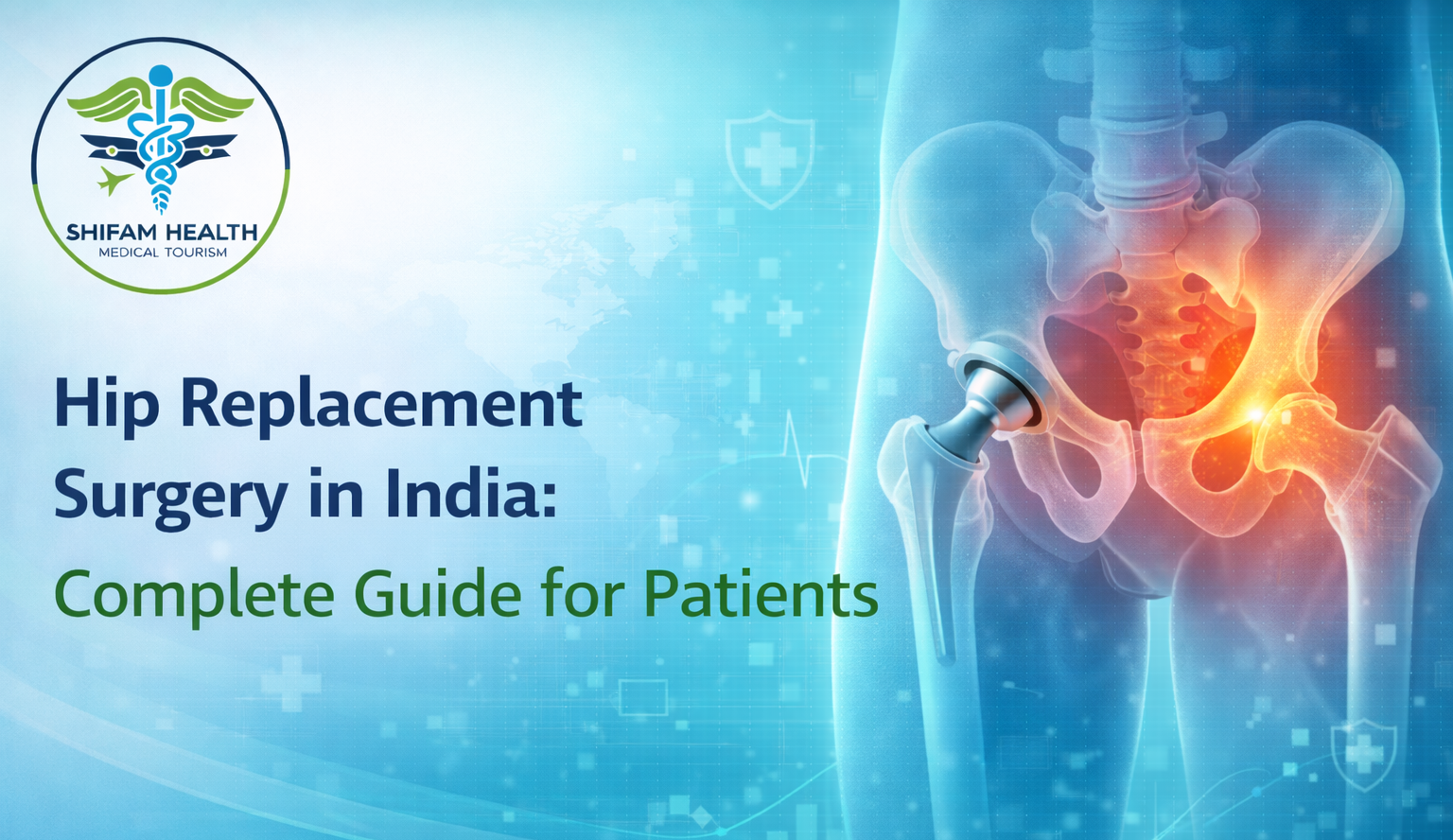
Hip pain can affect every part of daily life — walking, climbing stairs, sleeping, or even sitting comfortably. For many patients, especially those with severe arthritis or joint damage, hip replacement surgery becomes a long-term solution when medicines and physiotherapy no longer provide relief.
India has become a recognised destination for orthopaedic surgery, including total hip replacement. Many patients — both domestic and international — consider India because of experienced surgeons, modern implants, and comparatively lower costs.
This guide explains everything you may want to know about hip replacement surgery in India — from types of surgery and recovery to cost, risks, and travel planning.
What Is Hip Replacement Surgery?
Hip replacement surgery (also called total hip arthroplasty) is a procedure in which a damaged hip joint is removed and replaced with an artificial implant.
The hip joint is a “ball-and-socket” joint:
- The ball is the head of the femur (thigh bone)
- The socket is part of the pelvis
When cartilage wears away, bones rub against each other, causing pain and stiffness. Hip replacement removes the damaged parts and replaces them with artificial components made of metal, ceramic, or durable plastic.
Who Needs Hip Replacement?
You may be advised to consider surgery if:
- You have severe osteoarthritis
- Rheumatoid arthritis has damaged the joint
- You have avascular necrosis
- A hip fracture has caused long-term damage
- Pain limits walking, sleeping, or daily activity
- Non-surgical treatments no longer help
Your orthopedic surgeon will recommend surgery only after thorough evaluation.
Types of Hip Replacement Surgery
Total Hip Replacement (THR)
Both the ball and socket are replaced.
Most common type.
Partial Hip Replacement
Only the femoral head (ball) is replaced.
Often done for certain fractures.
Revision Hip Replacement
Performed when a previous implant fails or wears out.
Minimally Invasive Hip Replacement
Uses smaller incisions.
May reduce tissue damage and speed early recovery.
What Happens Before Surgery?
Before surgery, you will undergo:
- Physical examination
- X-rays and imaging
- Blood tests
- ECG and cardiac evaluation
- Anaesthesia assessment
Your surgeon will explain:
- Type of implant
- Risks
- Expected recovery
- Hospital stay duration
The Hip Replacement Procedure
The surgery usually takes 1–2 hours.
Steps include:
- Removal of damaged bone and cartilage
- Placement of metal stem into thigh bone
- Replacement of socket with artificial cup
- Insertion of new ball component
The components may be:
- Cemented
- Cementless
- Hybrid
Choice depends on age, bone quality, and surgeon preference.
Types of Hip Implants
Hip implants vary by material and design.
Common materials include:
- Metal-on-polyethylene
- Ceramic-on-ceramic
- Ceramic-on-polyethylene
Modern implants are designed to last 15–20 years or longer, but longevity depends on age, activity level, and weight.
No implant lasts forever. Revision may be needed later in life.
Hospital Stay & Recovery Timeline
Hospital Stay
Typically 3–5 days.
ICU Stay
Usually not required unless medically necessary.
Walking
Patients often begin standing or walking with support within 24–48 hours.
Physiotherapy
Essential part of recovery.
Return to Normal Activities
- Light daily activities: 2–4 weeks
- Driving: 4–6 weeks
- Full recovery: 3 months (varies)
Recovery depends on age, health condition, and physiotherapy participation.
Risks and Complications
All surgeries carry risks. Possible complications include:
- Infection
- Blood clots
- Implant loosening
- Leg length difference
- Dislocation
- Nerve injury (rare)
Choosing an experienced orthopaedic team and following post-operative instructions reduces risks.
Success Rates and Long-Term Outcomes
Hip replacement surgery is considered one of the most successful orthopaedic procedures worldwide.
General global data suggests:
- High pain relief rates
- Improved mobility
- Long implant survival in most patients
However:
Outcomes vary depending on age, health condition, bone quality, and rehabilitation.
No surgeon can guarantee outcomes.
Cost of Hip Replacement Surgery in India
Costs vary depending on:
- Hospital type
- Implant type
- City
- Room category
- Complexity
Estimated Cost in India (GBP)
| Procedure | Estimated Cost |
|---|---|
| Total Hip Replacement | £4,000 – £8,000 |
| Revision Surgery | £6,000 – £12,000 |
| Premium Implant | Additional £1,000 – £3,000 |
These typically include:
✔ Surgeon fees
✔ Operation theatre charges
✔ Hospital stay
✔ Standard medicines
May not include:
✖ Extended ICU stay
✖ Specialised implants
✖ Long-term rehabilitation
✖ Travel and accommodation
Hip Replacement Cost: India vs UK
| Treatment | UK Private Cost (GBP) | India Cost (GBP) |
|---|---|---|
| Total Hip Replacement | £12,000 – £20,000+ | £4,000 – £8,000 |
| Revision Surgery | £20,000+ | £6,000 – £12,000 |
Cost difference reflects healthcare structure and operational costs.
Leading Orthopedic Hospitals in India
Major hospitals offering hip replacement surgery include:
- Apollo Hospitals
- Fortis Healthcare
- Medanta – The Medicity
- Max Healthcare
- Manipal Hospitals
These hospitals provide:
- Laminar airflow operation theatres
- Infection control protocols
- Advanced imaging
- Robotic-assisted joint replacement (in select centres)
Hospitals are mentioned factually without ranking.
Robotic Hip Replacement in India
Some centres offer robotic-assisted hip replacement.
Potential advantages:
- Precision alignment
- Better implant positioning
- Pre-surgical planning software
Not every patient requires robotic surgery. Surgeon expertise remains critical.
Travel Planning for International Patients
Medical Visa
Required for planned surgery.
Flight Duration
Approx. 8–10 hours from UK to India.
Length of Stay
Usually 2–3 weeks including recovery.
Accommodation
Options include:
- Budget hotels
- Serviced apartments
- Recovery-friendly stays
Physiotherapy & Rehabilitation
Recovery depends heavily on physiotherapy.
Exercises help:
- Improve muscle strength
- Restore balance
- Prevent stiffness
- Reduce clot risk
Physiotherapy usually continues for several weeks after discharge.
Lifestyle After Hip Replacement
Most patients can:
- Walk without pain
- Climb stairs
- Resume moderate activity
Patients should avoid:
- High-impact sports
- Extreme bending
- Heavy lifting
Maintaining healthy weight prolongs implant life.
When to Contact Your Doctor After Surgery
Seek medical attention if you notice:
- Fever
- Increasing pain
- Swelling in calf
- Redness around wound
- Sudden shortness of breath
Frequently Asked Questions
Modern implants may last 15–20 years or longer.
Post-surgery pain is managed with medication. Long-term pain relief is usually significant.
Yes, if medically fit after evaluation.
Many patients walk with support within days. Full strength takes weeks.
Major accredited hospitals follow structured surgical protocols.
Sometimes required, depending on blood loss.
In selected cases, yes.
How Shifam Health Helps Patients Throughout Whole Treatment Process
Shifam Health acts as a treatment coordination partner.
Support includes:
- Medical report review
- Hospital selection assistance
- Appointment coordination
- Visa invitation letters
- Travel planning
- Airport pickup
- Accommodation support
- Post-operative coordination
This helps reduce logistical stress.
Conclusion
Hip replacement surgery can significantly improve quality of life when severe joint damage limits mobility. India offers modern orthopaedic facilities, experienced surgeons, and comparatively lower private care costs.
However, surgery should only be considered after proper medical evaluation. Recovery success depends on surgeon expertise, implant choice, and rehabilitation commitment.
If you would like personalized guidance or a treatment estimate, you may speak with a care coordinator to better understand your options.