


Bone Cancer Treatment in India

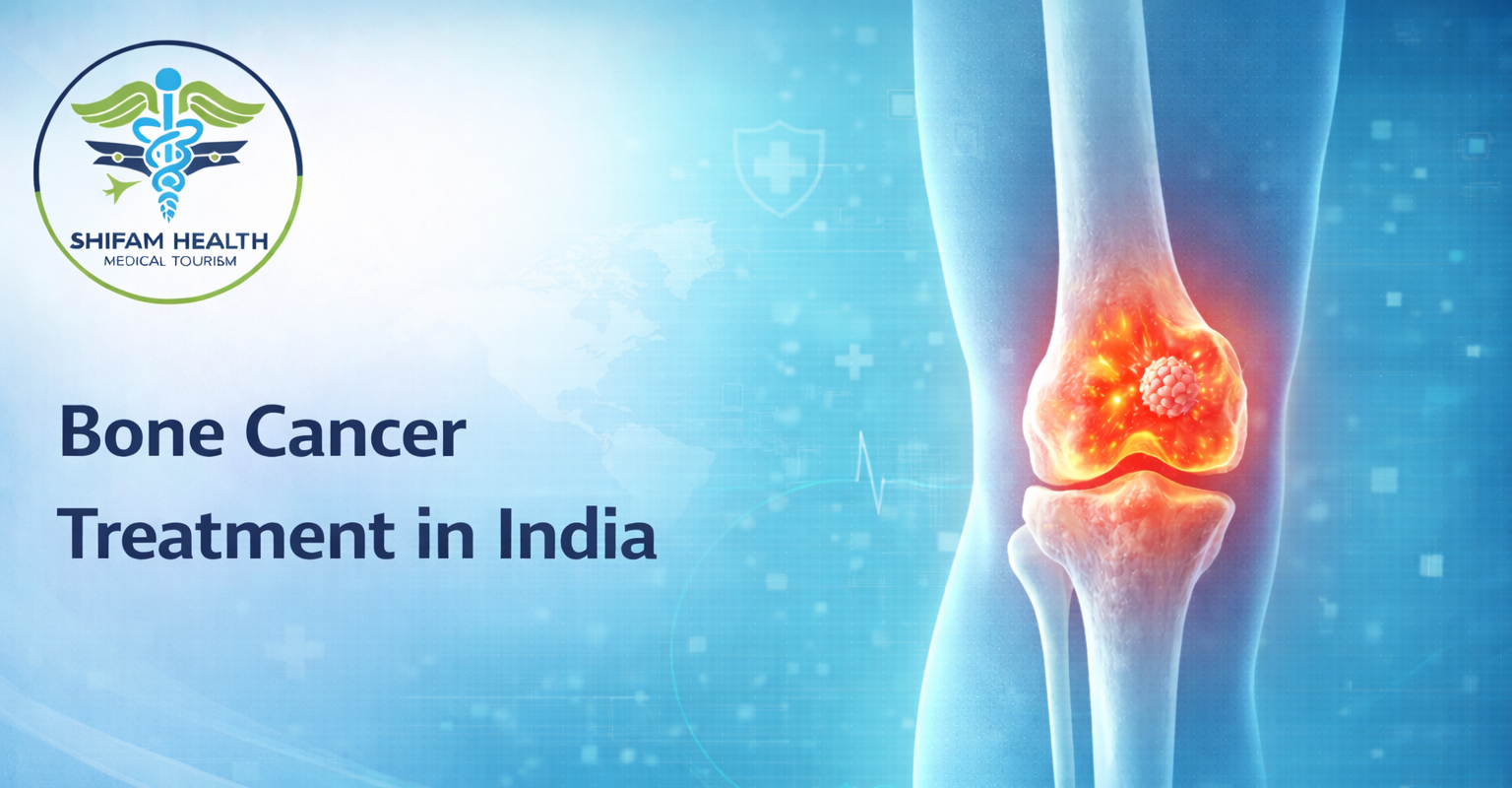
Bone cancer is a rare but serious condition that affects the bones and sometimes the surrounding tissues. It can occur in children, teenagers, and adults. Hearing a diagnosis of bone cancer can be overwhelming, and many patients begin researching treatment options immediately.
India has developed advanced oncology centres offering surgery, chemotherapy, targeted therapy, and limb-salvage procedures. Some patients explore treatment in India due to specialist expertise, modern surgical techniques, and comparatively lower private care costs.
This guide explains bone cancer treatment in India, including types of bone cancer, treatment approaches, surgery options, cost considerations, and recovery expectations.
Important: Outcomes vary depending on stage, tumour type, patient health, and treatment plan.
What Is Bone Cancer?
Bone cancer can either:
- Start in the bone (primary bone cancer)
- Spread to bone from another organ (secondary/metastatic cancer)
This article focuses mainly on primary bone cancer.
Types of Primary Bone Cancer
1. Osteosarcoma
Most common in children and young adults.
Often affects long bones such as the thigh or upper arm.
2. Ewing Sarcoma
More common in children and adolescents.
Can affect bone or soft tissue.
3. Chondrosarcoma
More common in adults.
Develops in cartilage cells.
Each type requires specialised treatment planning.
Symptoms of Bone Cancer
Common symptoms include:
- Persistent bone pain
- Swelling near a bone
- Weak bones leading to fractures
- Reduced joint movement
- Fatigue
Early diagnosis improves treatment options.
Diagnosis of Bone Cancer
Diagnosis typically involves:
- X-ray imaging
- MRI or CT scan
- PET-CT scan
- Biopsy (to confirm tumour type)
- Blood tests
A multidisciplinary oncology team reviews results before deciding treatment.
Treatment Options for Bone Cancer in India
Treatment depends on tumour type, size, location, and stage.
1. Surgery
Surgery is often the primary treatment for localised bone cancer.
Limb-Salvage Surgery
Modern surgical techniques aim to remove the tumour while preserving the limb.
- Tumour removal
- Reconstruction using metal implants or bone graft
- Maintains function where possible
Amputation
Rare today, but sometimes required if tumour is extensive.
2. Chemotherapy
Chemotherapy is commonly used:
- Before surgery (neoadjuvant therapy)
- After surgery (adjuvant therapy)
- For advanced disease
It targets rapidly dividing cancer cells.
3. Radiation Therapy
Radiation may be used:
- When surgery is not possible
- For Ewing sarcoma
- To control pain in advanced cases
4. Targeted Therapy
Some tumours respond to drugs targeting specific molecular changes.
5. Immunotherapy
Used selectively depending on tumour biology.
Stage-Wise Treatment Approach
Early-Stage Bone Cancer
Often treated with surgery plus chemotherapy.
Locally Advanced Cancer
Combination of surgery, chemotherapy, and sometimes radiation.
Metastatic Bone Cancer
Focuses on:
- Chemotherapy
- Targeted therapy
- Symptom control
- Multidisciplinary care
Treatment plans vary significantly between patients.
Bone Cancer Surgery Explained
What Happens During Surgery?
- Tumour is removed with surrounding tissue margin
- Reconstruction performed
- Implant or graft used
Surgery Duration
Usually 2–5 hours depending on complexity.
Hospital Stay
- Typically 5–10 days
- ICU if medically required
Recovery Timeline
- Early movement: within days
- Physiotherapy: begins during hospital stay
- Full recovery: several months
Rehabilitation is essential for functional recovery.
Survival and Prognosis
Survival rates depend strongly on:
- Type of bone cancer
- Stage at diagnosis
- Tumour response to chemotherapy
- Completeness of tumour removal
General global data suggests:
- Localised osteosarcoma has better survival trends than metastatic disease
- Early diagnosis improves outcomes
However:
No treatment can guarantee cure.
Outcomes vary depending on stage, patient health, and treatment plan.
Cost of Bone Cancer Treatment in India (GBP)
Costs vary depending on hospital, procedure complexity, and therapy duration.
Surgery Cost
| Procedure | Estimated Cost (GBP) |
|---|---|
| Limb-Salvage Surgery | £6,000 – £15,000 |
| Amputation Surgery | £4,000 – £8,000 |
| Reconstruction Implants | May Increase Cost |
Chemotherapy Cost
| Treatment | Cost Per Cycle (GBP) |
|---|---|
| Standard Chemotherapy | £400 – £1,200 |
| Targeted Therapy | £800 – £3,000 |
Radiation Therapy Cost
| Radiation Type | Estimated Cost |
|---|---|
| Standard Radiotherapy | £3,000 – £7,000 |
These figures are indicative only.
Bone Cancer Treatment Cost: India vs UK (Private Care)
| Treatment | UK Private Cost (GBP) | India Cost (GBP) |
|---|---|---|
| Bone Cancer Surgery | £20,000 – £40,000+ | £6,000 – £15,000 |
| Chemotherapy (Per Cycle) | £1,500 – £3,000 | £400 – £1,200 |
| Radiation Therapy | £10,000 – £20,000+ | £3,000 – £7,000 |
Cost differences reflect healthcare system structures.
Leading Cancer Hospitals in India
Major hospital groups offering bone cancer treatment include:
These hospitals typically provide:
- Orthopaedic oncology units
- Multidisciplinary tumour boards
- Advanced imaging
- Limb-salvage expertise
- Infection control protocols
Hospitals are mentioned for infrastructure purposes only.
Rehabilitation After Bone Cancer Surgery
Recovery often includes:
- Physiotherapy
- Muscle strengthening
- Mobility training
- Emotional support
Rehabilitation may continue for several months.
Travel & Planning for International Patients
Medical Visa
Required for planned cancer treatment.
Flight Duration
8–10 hours from UK to India.
Length of Stay
Varies:
- Surgery & recovery: 3–6 weeks
- Combined therapy: longer duration
Follow-up planning is important before travel.
Risks and Complications
Possible complications include:
- Infection
- Blood clots
- Implant failure
- Nerve damage (rare)
Careful surgical planning reduces risk.
How Shifam Health Supports Patients
Shifam Health acts as a treatment coordination partner, assisting with:
- Medical report review
- Hospital selection
- Appointment coordination
- Visa invitation letters
- Travel planning
- Airport pickup
- Accommodation assistance
- Ongoing support during treatment
Frequently Asked Questions
Many cases are treatable, especially when diagnosed early. Treatment depends on type and stage.
In many cases, yes. Decision depends on tumor size and location.
Initial recovery takes weeks; full rehabilitation may take months.
Major accredited hospitals follow structured oncology protocols.
Yes, digital reports and follow-up coordination are possible.
Conclusion
Bone cancer treatment requires specialised care, careful surgical planning, and multidisciplinary coordination. India offers modern oncology infrastructure, limb-salvage expertise, and comparatively lower private care costs.
However, every patient’s condition is unique. Treatment decisions must be based on medical evaluation, stage of disease, and overall health.
If you would like personalised guidance based on your medical reports, you may speak with a care coordinator to better understand your options.